 Image 1 of 1
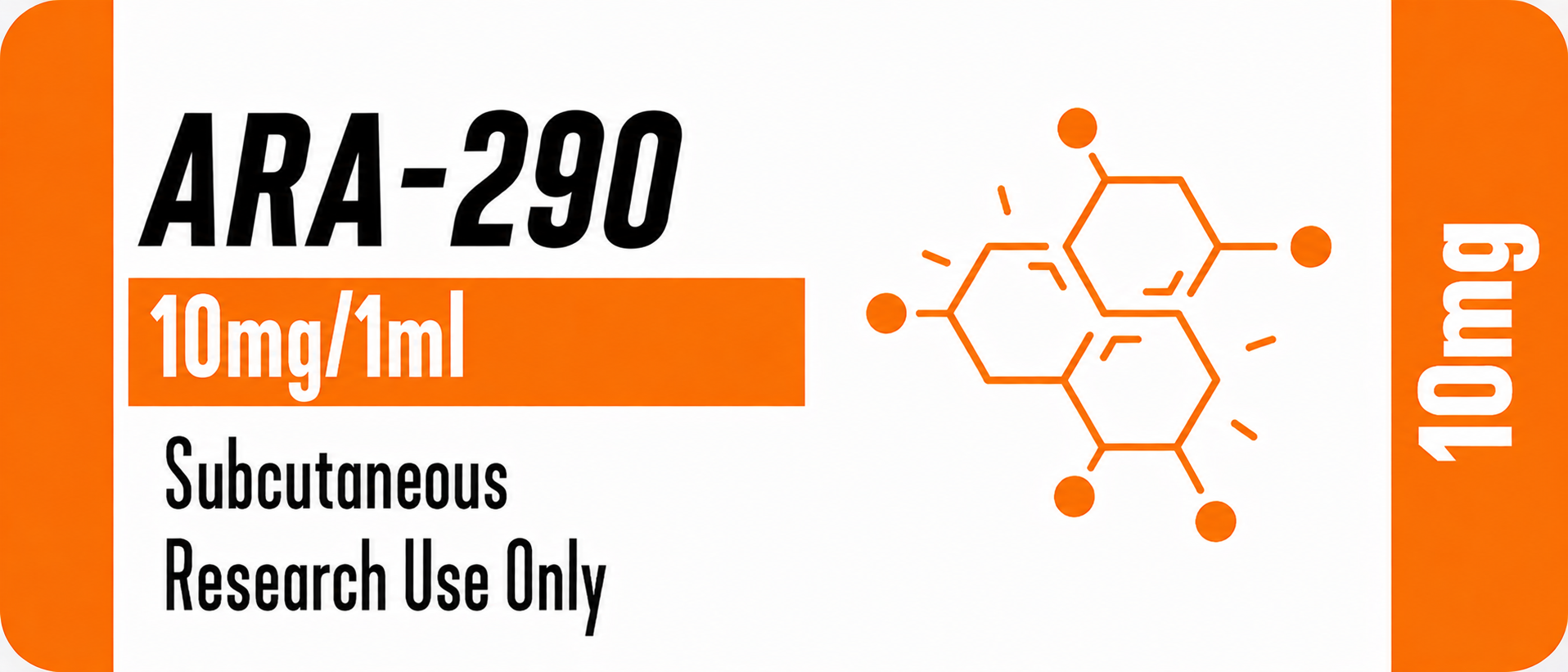
ARA-290, also known as Cibinetide, is a synthetic peptide derived from erythropoietin (EPO) that selectively activates the innate repair receptor (IRR) without stimulating red blood cell production. It has been studied for its potential to reduce inflammation, protect nerves, improve tissue repair, and alleviate chronic pain associated with neuropathy and inflammatory conditions. Unlike EPO, ARA-290 does not appear to increase hematocrit or carry the same cardiovascular concerns.
Common Research Dosing Protocol:
2-4 mg daily
Common protocol: 4 mg daily
Some protocols use 4 mg every other day
Typical cycle length: 4-12 weeks
Administration:
Subcutaneous injection
Often administered once daily
Timing is generally flexible
Storage:
Refrigerate at 36-46°F (2-8°C) after reconstitution
Protect from light
Do not freeze
Use sterile technique for all withdrawals
Notes:
ARA-290 is frequently researched for:
Peripheral neuropathy
Nerve regeneration and protection
Chronic inflammatory conditions
Small fiber neuropathy
Pain reduction
Tissue repair and recovery
Many researchers consider ARA-290 one of the more promising peptides for nerve-related conditions because it appears to target inflammation and tissue repair pathways rather than simply masking pain. It is often stacked with BPC-157, TB-500, or GHK-Cu in injury-recovery protocols, and with MOTS-c or SS-31 in broader health and longevity-focused programs.
A common recovery-focused stack might include:
ARA-290: 4 mg daily
BPC-157: 500 mcg twice daily
TB-500: 2.5 mg twice weekly
Users commonly report gradual improvements in discomfort, nerve symptoms, and recovery over several weeks, with nerve-related benefits often requiring longer treatment periods than soft-tissue healing protocols.
ARA-290, also known as Cibinetide, is a synthetic peptide derived from erythropoietin (EPO) that selectively activates the innate repair receptor (IRR) without stimulating red blood cell production. It has been studied for its potential to reduce inflammation, protect nerves, improve tissue repair, and alleviate chronic pain associated with neuropathy and inflammatory conditions. Unlike EPO, ARA-290 does not appear to increase hematocrit or carry the same cardiovascular concerns.
Common Research Dosing Protocol:
2-4 mg daily
Common protocol: 4 mg daily
Some protocols use 4 mg every other day
Typical cycle length: 4-12 weeks
Administration:
Subcutaneous injection
Often administered once daily
Timing is generally flexible
Storage:
Refrigerate at 36-46°F (2-8°C) after reconstitution
Protect from light
Do not freeze
Use sterile technique for all withdrawals
Notes:
ARA-290 is frequently researched for:
Peripheral neuropathy
Nerve regeneration and protection
Chronic inflammatory conditions
Small fiber neuropathy
Pain reduction
Tissue repair and recovery
Many researchers consider ARA-290 one of the more promising peptides for nerve-related conditions because it appears to target inflammation and tissue repair pathways rather than simply masking pain. It is often stacked with BPC-157, TB-500, or GHK-Cu in injury-recovery protocols, and with MOTS-c or SS-31 in broader health and longevity-focused programs.
A common recovery-focused stack might include:
ARA-290: 4 mg daily
BPC-157: 500 mcg twice daily
TB-500: 2.5 mg twice weekly
Users commonly report gradual improvements in discomfort, nerve symptoms, and recovery over several weeks, with nerve-related benefits often requiring longer treatment periods than soft-tissue healing protocols.