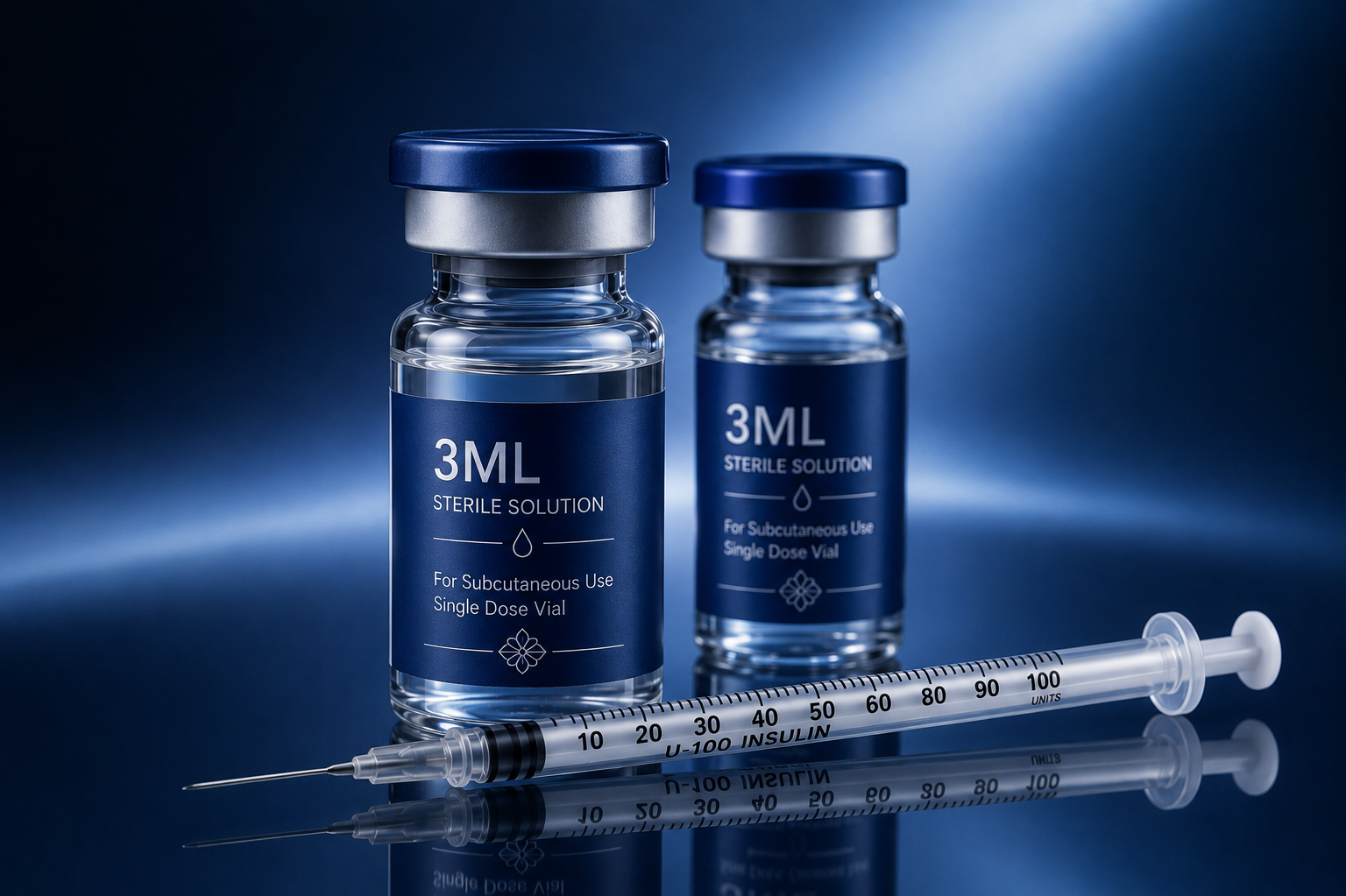
Disclaimer: The information provided on this website is intended solely for educational and research purposes. Any statements, discussions, references, or materials presented are not medical advice, medical recommendations, diagnoses, or treatment instructions. The content should not be interpreted as established scientific fact or as evidence of any specific outcome, benefit, or result. Research compounds, including peptides, may be experimental in nature, and their safety and efficacy may not be fully established. All peptides and research compounds referenced are intended strictly for laboratory research and analytical purposes only and are not approved for human consumption, medical use, or therapeutic application unless specifically authorized by applicable regulatory authorities. Users are solely responsible for complying with all applicable laws, regulations, and guidelines governing the purchase, possession, and use of such materials.
Peptides - single vials to try before committing to larger purchases
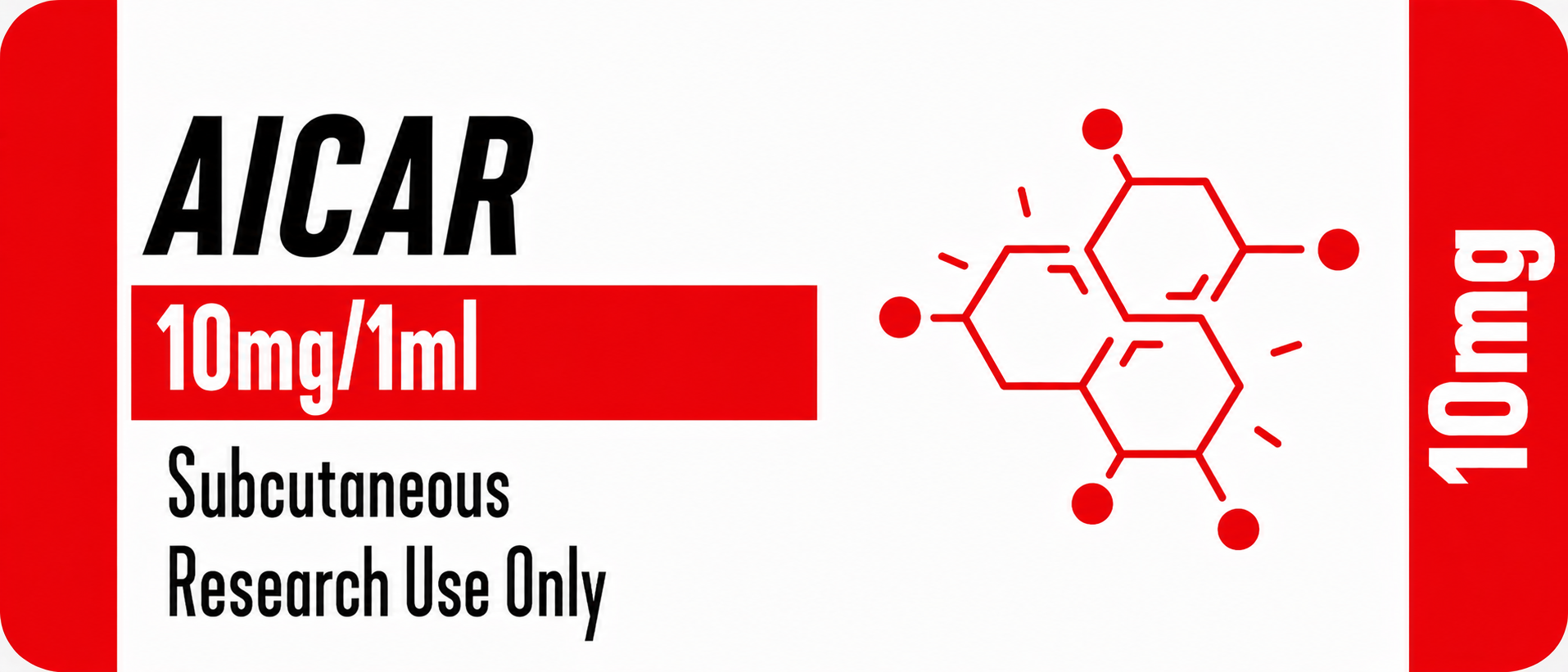
AICAR is a metabolic compound that activates AMP-activated protein kinase (AMPK), often referred to as the body's "energy sensor." By stimulating AMPK, AICAR promotes glucose uptake, fatty acid oxidation, mitochondrial activity, and improved metabolic efficiency. It has been extensively studied for endurance enhancement, fat loss, insulin sensitivity, and metabolic health.
Common Research Dosing Protocol:
250-500 mg daily
Common starting dose: 250 mg daily
Advanced protocols: 500 mg daily
Typical cycle length: 4-8 weeks
Administration:
Subcutaneous injection
Often administered 30-60 minutes before exercise
Can also be taken at a consistent time each day for metabolic support
Storage:
Refrigerate at 36-46°F (2-8°C) after reconstitution
Protect from light
Do not freeze
Use sterile technique for all withdrawals
Notes:
AICAR is often researched as an "exercise mimetic" because it can activate some of the same metabolic pathways stimulated by endurance training. Users commonly report increased workout endurance, improved recovery between sets, enhanced fat utilization, and better insulin sensitivity. It is sometimes stacked with compounds such as MOTS-C, SS-31, or GLP-1 receptor agonists in metabolic optimization protocols. Because AICAR can significantly affect glucose metabolism, individuals monitoring blood glucose should pay close attention to changes in blood sugar levels during use.
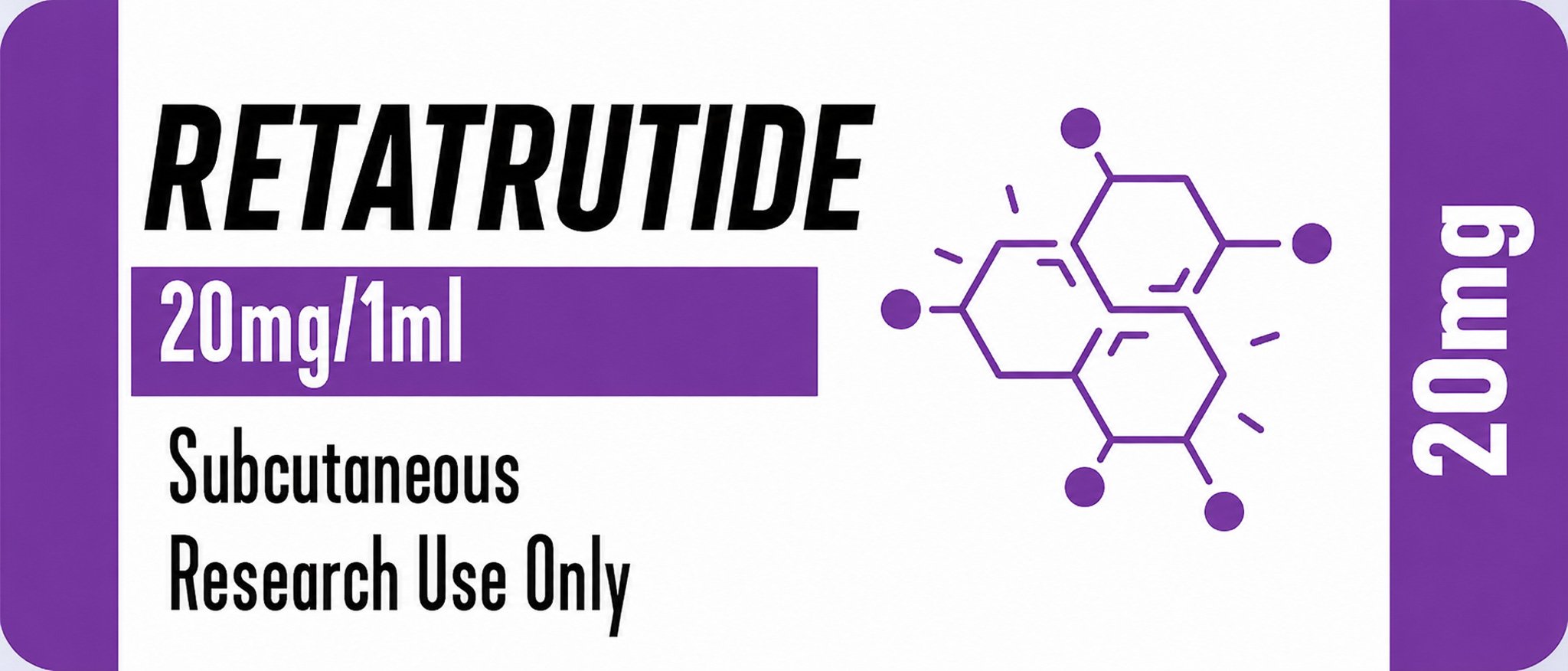
Retatrutide is an investigational triple-receptor agonist that activates GLP-1, GIP, and glucagon receptors. This unique mechanism helps reduce appetite, improve insulin sensitivity, and increase energy expenditure, making it one of the most potent weight-loss and metabolic health compounds currently under investigation. Clinical trials have demonstrated significant reductions in body weight along with improvements in glycemic control and cardiometabolic markers.
Common Research Dosing Protocol:
Week 1-4: 2 mg once weekly
Week 5-8: 4 mg once weekly
Week 9-12: 6 mg once weekly
Week 13+: Increase by 2-4 mg increments every 4 weeks as tolerated
Typical effective range: 4-12 mg once weekly
Maximum dose studied in clinical trials: 12 mg once weekly
Administration:
Subcutaneous injection
Administer on the same day each week
Rotate injection sites between abdomen, thigh, and upper arm
Storage:
Refrigerate at 36-46°F (2-8°C)
Protect from light
Do not freeze
Use within the supplier's recommended period after reconstitution
Notes:
Gradual dose escalation is recommended to minimize gastrointestinal side effects such as nausea, vomiting, constipation, and diarrhea. Many users find that remaining at a dose level for longer than 4 weeks improves tolerability while still providing substantial benefits. Retatrutide remains an investigational compound and has not yet received FDA approval.
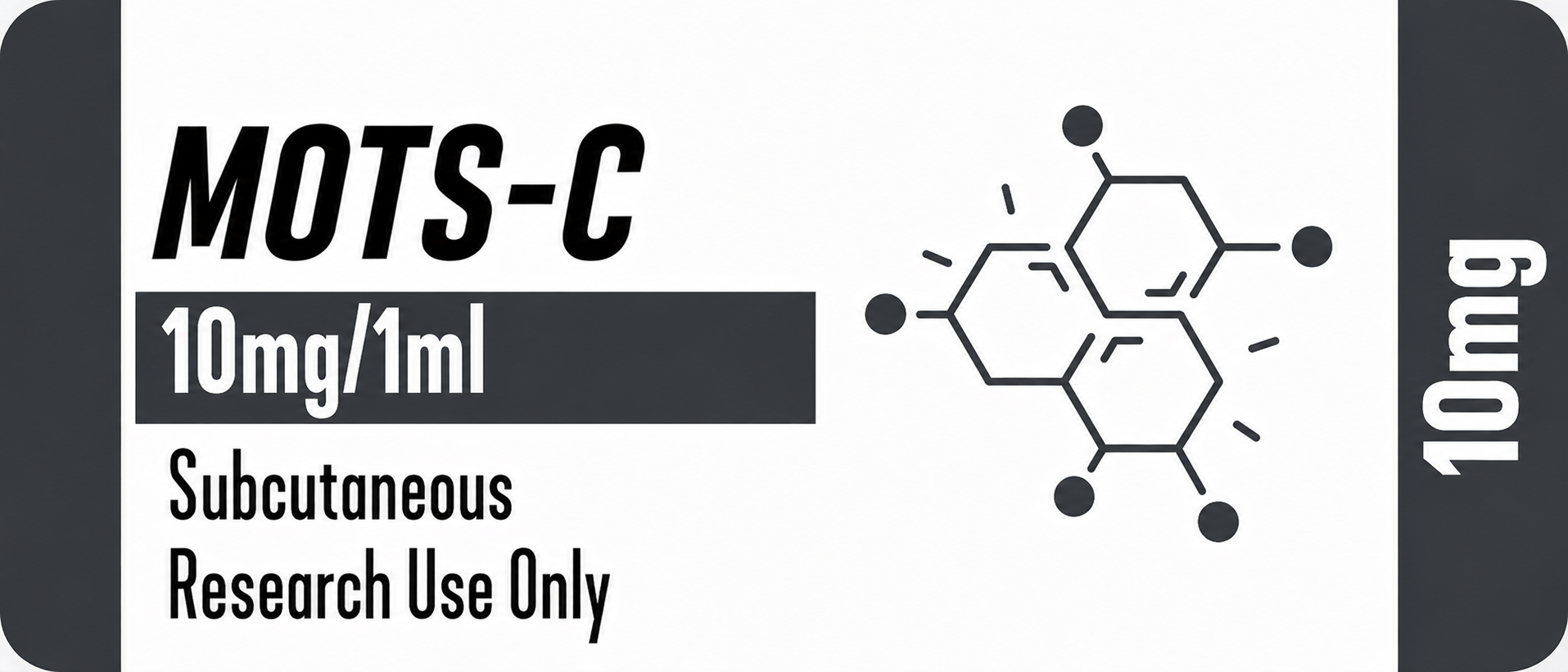
MOTS-c is a naturally occurring mitochondrial-derived peptide that plays a role in regulating metabolism, insulin sensitivity, cellular energy production, and exercise adaptation. It functions as a metabolic signaling molecule, helping cells respond to energy stress and promoting improved glucose utilization and fat metabolism. MOTS-c has gained significant interest for its potential effects on metabolic health, body composition, exercise performance, and healthy aging.
Common Research Dosing Protocol:
5-15 mg administered 2-3 times per week
Common protocol: 10 mg three times weekly
Alternative protocol: 15 mg every other day
Typical cycle length: 4-12 weeks
Administration:
Subcutaneous injection
Often administered in the morning
Some protocols time administration before exercise to support training adaptations
Storage:
Refrigerate at 36-46°F (2-8°C) after reconstitution
Protect from light
Do not freeze
Use sterile technique for all withdrawals
Notes:
MOTS-c is frequently researched for:
Improved insulin sensitivity
Enhanced glucose disposal
Increased metabolic flexibility
Fat loss support
Exercise endurance and recovery
Healthy aging and mitochondrial function
It is commonly stacked with AICAR, SS-31, Retatrutide, or Tesamorelin in metabolic optimization protocols. Many researchers view MOTS-c as one of the more promising mitochondrial peptides because it appears to influence both energy production and metabolic signaling pathways. Benefits are often reported gradually over several weeks, particularly when combined with regular exercise and appropriate nutrition.
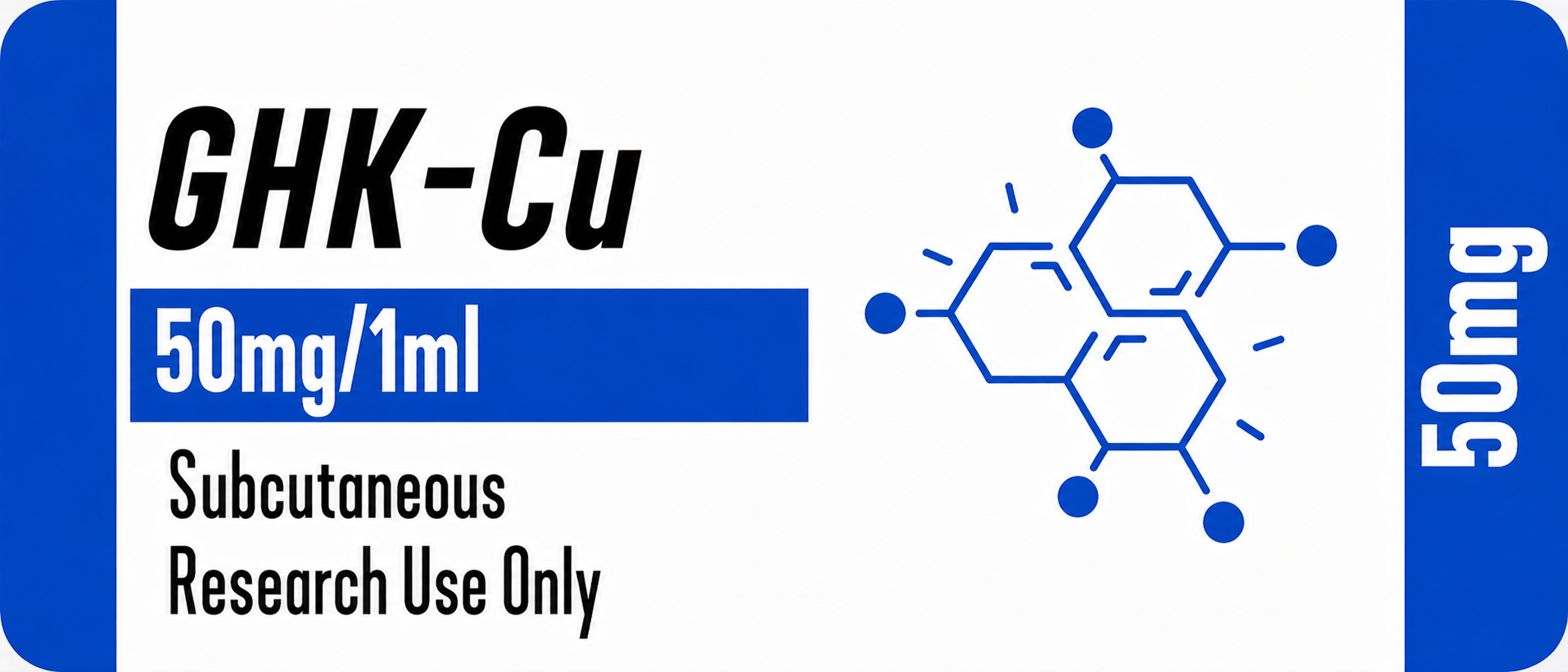
GHK-Cu is a naturally occurring copper-binding peptide composed of glycine, histidine, and lysine. It is best known for supporting tissue repair, wound healing, collagen production, skin rejuvenation, hair growth, and reducing inflammation. Research also suggests benefits for nerve regeneration, antioxidant activity, and improved recovery from injuries.
Common Research Dosing Protocol:
Subcutaneous: 1-2 mg daily
Typical cycle length: 4-12 weeks
Higher-dose protocols: Up to 5 mg daily have been used in research settings for injury recovery and regenerative applications.
Administration:
Subcutaneous injection
Often injected near the target area when practical
May also be used topically in creams, serums, or foams
Storage:
Refrigerate at 36-46°F (2-8°C) after reconstitution
Protect from light
Do not freeze
Use sterile technique for all withdrawals
Notes:
GHK-Cu is frequently stacked with BPC-157 and TB-500 for soft tissue recovery protocols. Users commonly report improvements in skin quality, wound healing, hair density, and recovery from musculoskeletal injuries. Because GHK-Cu contains copper, very high doses are generally avoided unless specifically supported by a research protocol.
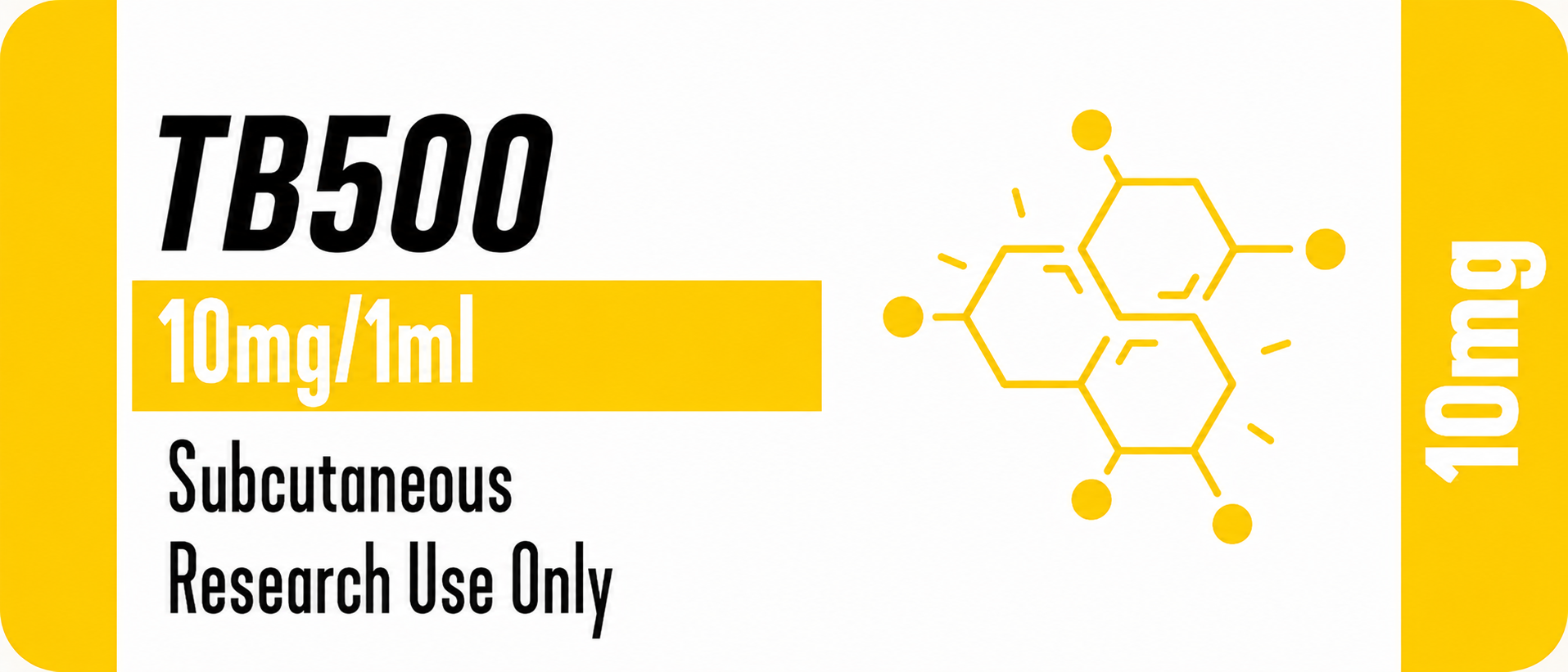
TB-500 is a synthetic version of a naturally occurring peptide fragment derived from thymosin beta-4, a protein involved in tissue repair and regeneration. It is widely researched for its potential to accelerate healing of muscles, tendons, ligaments, connective tissue, and wounds. TB-500 is known for its systemic effects, allowing it to circulate throughout the body and support recovery in multiple tissues simultaneously.
Common Research Dosing Protocol:
Loading Phase (4-6 weeks):
2-2.5 mg twice weekly
Total: 4-5 mg per week
Maintenance Phase:
2-5 mg every 2-4 weeks
Or 2 mg once weekly during periods of heavy training or injury recovery
Administration:
Subcutaneous injection
Intramuscular injection is also commonly used in research settings
Does not generally need to be injected near the injury site due to systemic distribution
Storage:
Refrigerate at 36-46°F (2-8°C) after reconstitution
Protect from light
Do not freeze
Use sterile technique for all withdrawals
Notes:
TB-500 is frequently combined with BPC-157 for injury recovery. A common stack is:
BPC-157: 500 mcg twice daily
TB-500: 2.5 mg twice weekly
Researchers often view BPC-157 as the "local repair" peptide and TB-500 as the "systemic recovery" peptide. Benefits are most commonly reported for tendon injuries, muscle strains, joint discomfort, flexibility, and recovery from intense training. Typical cycles last 8-12 weeks depending on the severity of the injury being addressed.
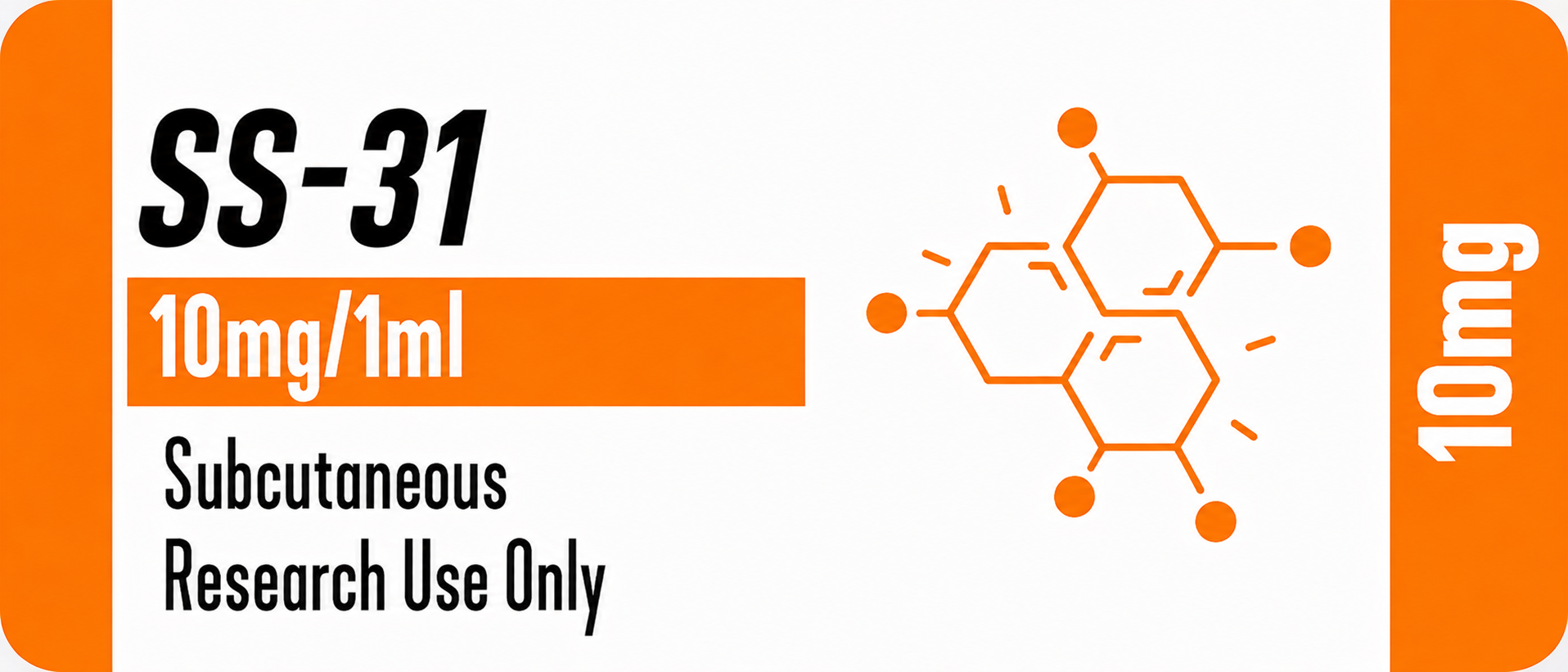
SS-31, also known as Elamipretide, is a mitochondria-targeting peptide designed to improve cellular energy production and reduce oxidative stress. Unlike many peptides that work through hormone receptors, SS-31 binds to cardiolipin within the inner mitochondrial membrane, helping stabilize mitochondrial function and improve ATP production. It has been extensively studied for age-related decline, cardiovascular health, muscle performance, fatigue, metabolic disorders, and mitochondrial dysfunction.
Common Research Dosing Protocol:
2-5 mg daily
Common starting dose: 2 mg daily
Typical performance/recovery protocol: 5 mg daily
Typical cycle length: 4-12 weeks
Administration:
Subcutaneous injection
Usually administered once daily
Often taken in the morning due to reports of increased energy and reduced fatigue
Storage:
Refrigerate at 36-46°F (2-8°C) after reconstitution
Protect from light
Do not freeze
Use sterile technique for all withdrawals
Notes:
SS-31 is frequently researched for:
Mitochondrial function and ATP production
Exercise endurance and recovery
Reduction of oxidative stress
Cardiovascular support
Healthy aging
Improved metabolic efficiency
It is commonly stacked with MOTS-c, AICAR, Retatrutide, or Tesamorelin in metabolic and performance-focused protocols. Many users report improvements in energy levels, workout endurance, recovery capacity, and reduced fatigue within 1-3 weeks, though mitochondrial adaptations may continue to develop over longer periods. Unlike stimulants, SS-31 typically enhances cellular energy production without causing jitters or elevated heart rate.
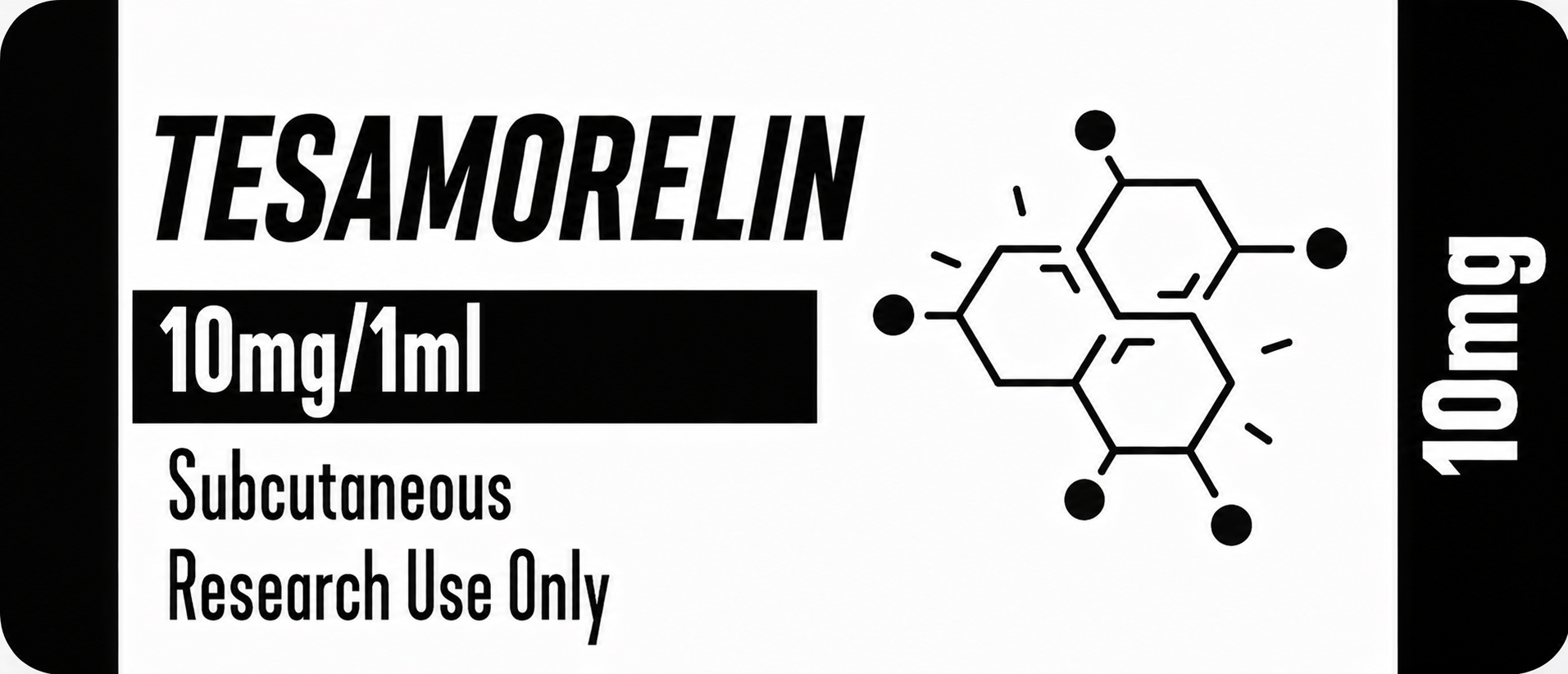
Tesamorelin is a synthetic growth hormone-releasing hormone (GHRH) analog that stimulates the pituitary gland to increase natural growth hormone (GH) production and subsequent IGF-1 levels. It is best known for its ability to reduce visceral abdominal fat while preserving lean muscle mass. Unlike exogenous growth hormone, Tesamorelin works by enhancing the body's natural GH pulse patterns, making it a popular research peptide for body composition, recovery, and metabolic health.
Common Research Dosing Protocol:
1-2 mg daily
Most common protocol: 2 mg daily
Administered 5-7 days per week
Typical cycle length: 12-26 weeks
Administration:
Subcutaneous injection
Best administered on an empty stomach
Common timing: 30-60 minutes before bed or first thing in the morning
Avoid eating for approximately 30-60 minutes before and after administration when possible
Storage:
Refrigerate at 36-46°F (2-8°C) after reconstitution
Protect from light
Do not freeze
Use sterile technique for all withdrawals
Notes:
Tesamorelin is frequently researched for:
Reduction of visceral fat
Improved body composition
Increased IGF-1 levels
Recovery and tissue repair
Preservation of lean muscle mass during fat loss
It is commonly stacked with Ipamorelin to enhance growth hormone signaling. A typical combination protocol is:
Tesamorelin: 2 mg daily
Ipamorelin: 200-300 mcg daily
For someone in your situation, Matthew, with a focus on reducing abdominal visceral fat while maintaining muscle during a calorie deficit and resistance training, Tesamorelin is one of the more targeted peptides because its strongest human data relates specifically to visceral adipose tissue reduction rather than simply overall weight loss. Most studies show measurable changes emerging after 8-12 weeks, with continued improvements through 6 months of consistent use.
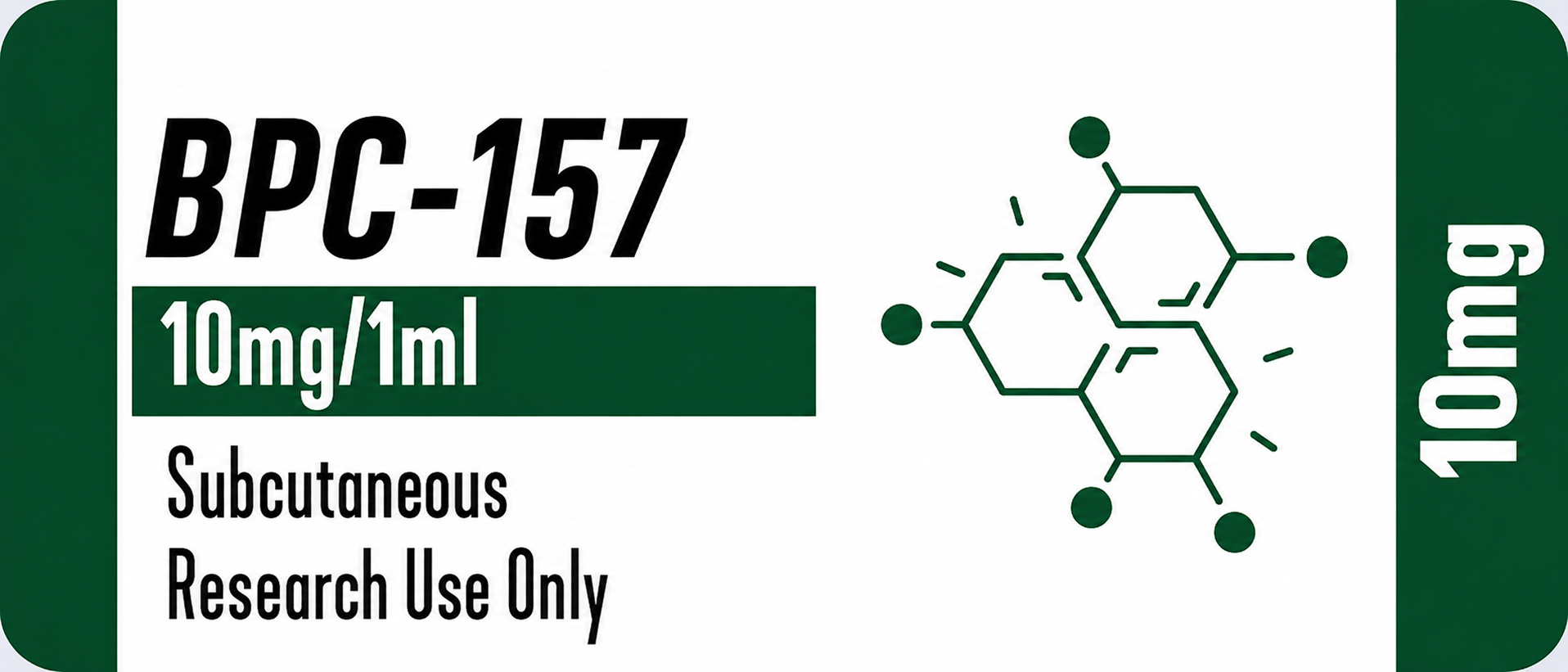
BPC-157 is a synthetic peptide derived from a protective protein found in gastric juice. It is widely studied for its potential to accelerate healing of tendons, ligaments, muscles, nerves, and the gastrointestinal tract. Research suggests it may promote angiogenesis (new blood vessel formation), reduce inflammation, and enhance tissue regeneration following injury.
Common Research Dosing Protocol:
Subcutaneous: 250-500 mcg once or twice daily
Typical daily dose: 500-1,000 mcg
Typical cycle length: 4-8 weeks
Injury-focused protocols: 500 mcg twice daily
Administration:
Subcutaneous injection
Often administered near the injured area when practical
Can also be used orally for gastrointestinal applications, though injectable administration is most common for systemic and musculoskeletal use
Storage:
Refrigerate at 36-46°F (2-8°C) after reconstitution
Protect from light
Do not freeze
Use sterile technique for all withdrawals
Notes:
BPC-157 is commonly stacked with GHK-Cu and TB-500 for soft tissue repair and recovery. It is frequently used in research involving tendon injuries, ligament sprains, muscle strains, joint pain, and gastrointestinal healing. Benefits are often reported within the first 1-2 weeks, though more significant tissue remodeling typically requires 4-8 weeks of consistent use.
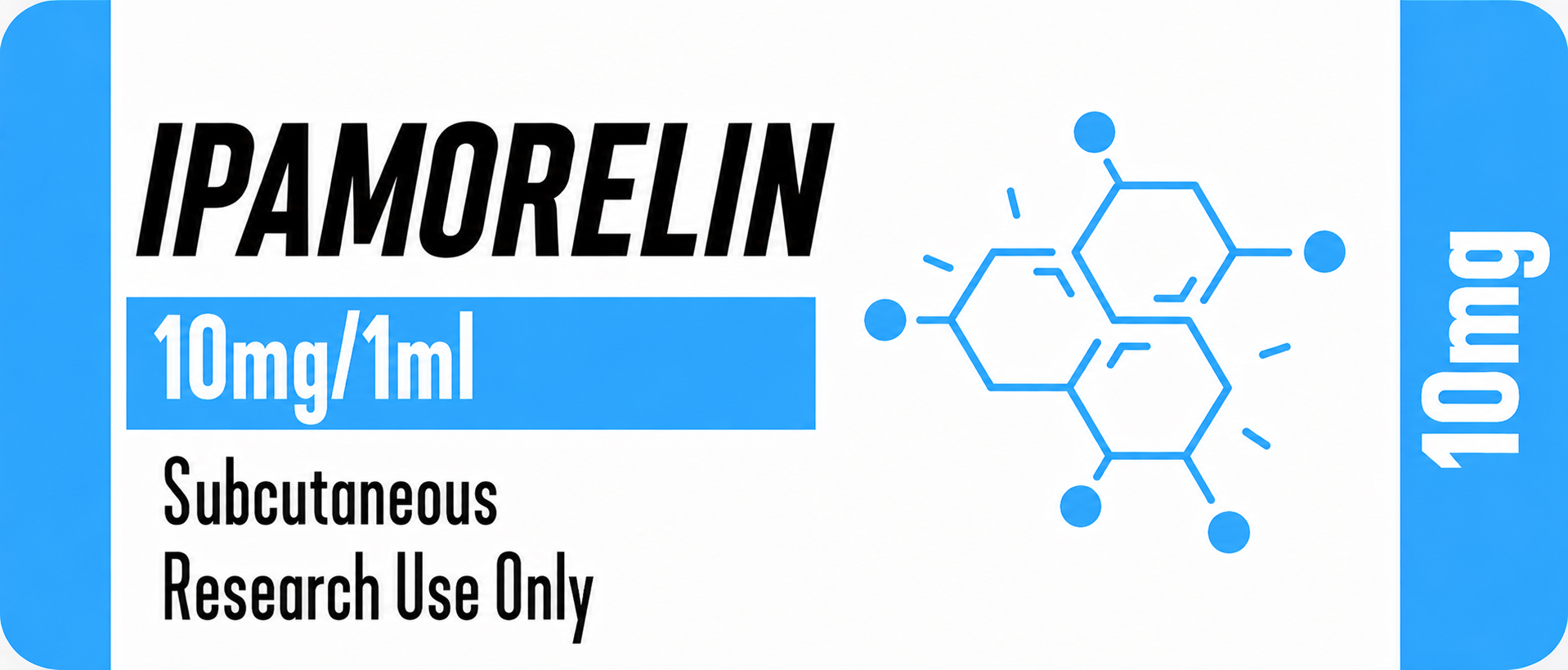
Ipamorelin is a selective growth hormone secretagogue (GHS) that stimulates the release of growth hormone by activating the ghrelin receptor (GHS-R1a). Unlike older growth hormone secretagogues, Ipamorelin has minimal effects on cortisol, prolactin, and other hormones, making it one of the more targeted options for increasing natural GH release. It is commonly researched for recovery, body composition, sleep quality, muscle preservation, and healthy aging.
Common Research Dosing Protocol:
200-300 mcg once daily
Beginner protocol: 200 mcg daily
Advanced protocol: 300 mcg 1-2 times daily
Typical cycle length: 8-16 weeks
Administration:
Subcutaneous injection
Often administered before bedtime to coincide with the body's natural GH pulse
May also be administered post-workout or split into morning and evening doses
Best used on a relatively empty stomach, avoiding carbohydrates and fats for 1-2 hours before dosing when practical
Storage:
Refrigerate at 36-46°F (2-8°C) after reconstitution
Protect from light
Do not freeze
Use sterile technique for all withdrawals
Notes:
Ipamorelin is frequently researched for:
Increased natural growth hormone release
Improved recovery and tissue repair
Enhanced sleep quality
Muscle preservation during dieting
Support of healthy aging
It is commonly paired with Tesamorelin because the two peptides work through complementary mechanisms:
Tesamorelin: Increases pituitary sensitivity and GHRH signaling
Ipamorelin: Directly stimulates GH release through the ghrelin receptor
Common Stack:
Tesamorelin: 2 mg daily
Ipamorelin: 200-300 mcg daily
Many users report improved sleep quality and recovery within the first few weeks, while body composition changes typically become more noticeable after 8-12 weeks. When combined with resistance training, adequate protein intake, and a calorie-controlled diet, Ipamorelin is often used to help preserve lean mass during fat-loss phases.
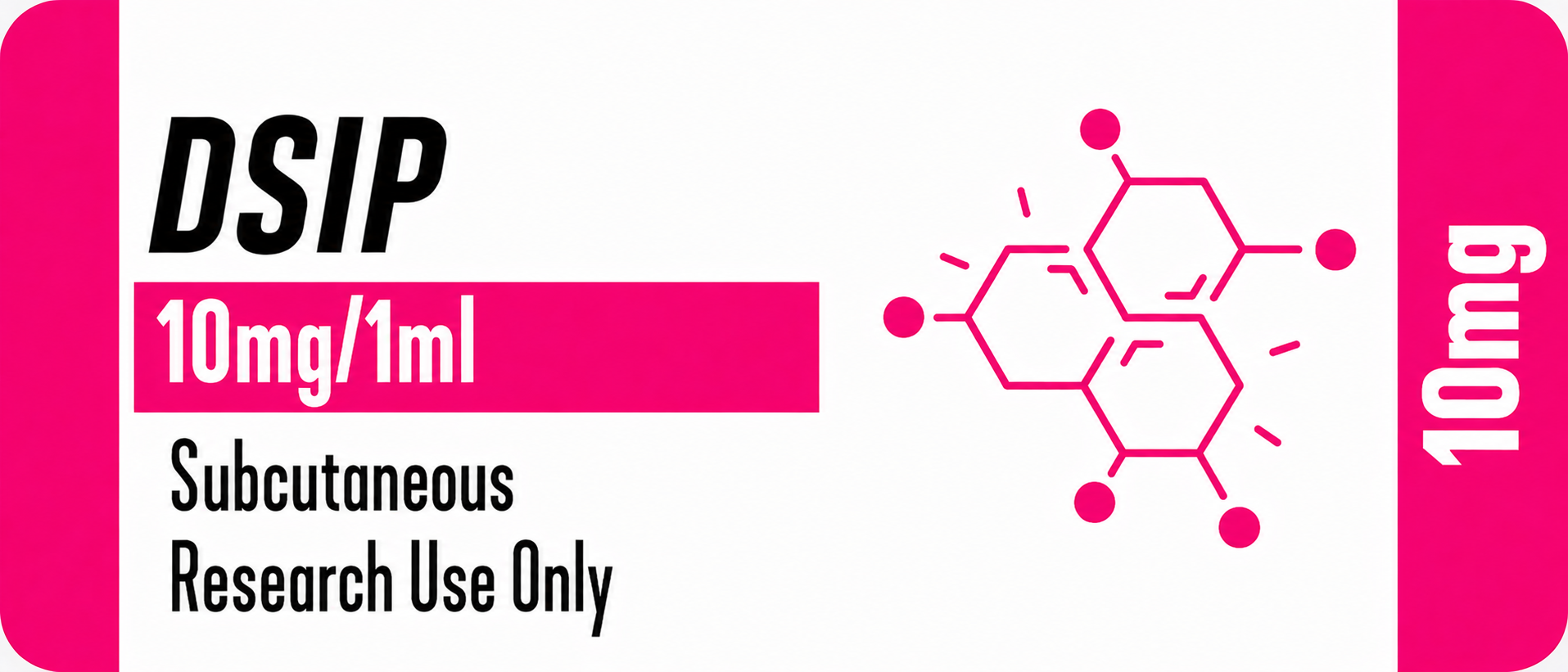
DSIP is a naturally occurring neuropeptide that has been studied for its effects on sleep regulation, stress response, circadian rhythm support, and recovery. While its exact mechanism remains unclear, research suggests it may influence neurotransmitters and hormone release involved in sleep quality and restorative rest. DSIP is commonly investigated for insomnia, disrupted sleep patterns, stress-related sleep disturbances, and recovery optimization.
Common Research Dosing Protocol:
100-300 mcg administered 30-60 minutes before bedtime
Some protocols use 500 mcg nightly for more significant sleep disturbances
Typical range: 100-500 mcg per day
Typical cycle length: 2-8 weeks
Administration:
Subcutaneous injection
Usually administered in the evening before sleep
Some users reserve it for nights when sleep quality is expected to be poor
Storage:
Refrigerate at 36-46°F (2-8°C) after reconstitution
Protect from light
Do not freeze
Use sterile technique for all withdrawals
Notes:
DSIP does not typically function as a traditional sedative. Many users report improvements in sleep quality, sleep depth, and feeling more refreshed upon waking rather than immediate drowsiness. It is commonly stacked with growth hormone secretagogues such as Tesamorelin, Ipamorelin, or CJC-1295 in recovery-focused protocols. Effects can vary considerably between individuals, with some experiencing substantial sleep improvements and others noticing little effect.
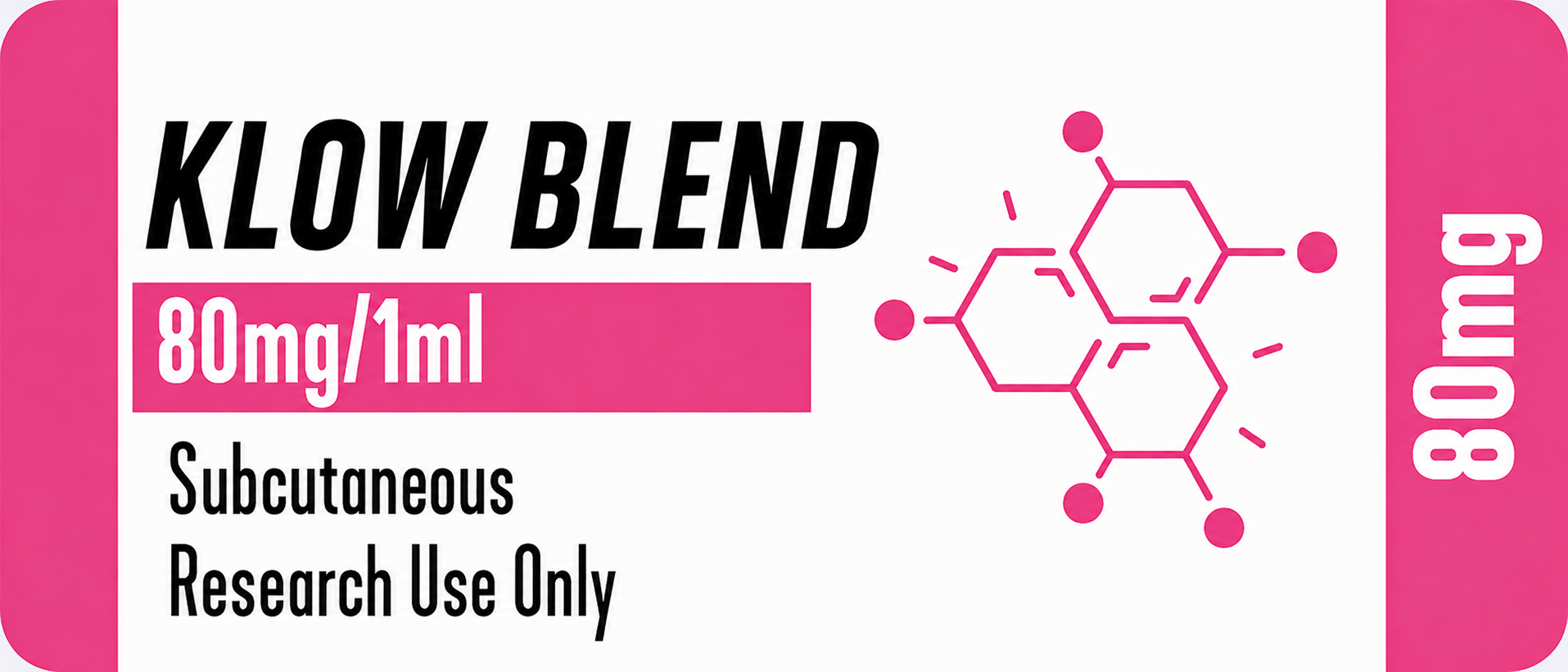
KLOW is a multi-peptide recovery blend containing 10 mg BPC-157, 10 mg TB-500, 50 mg GHK-Cu, and 10 mg KPV. The formulation is designed to support tissue repair, recovery, inflammation control, skin health, and wound healing. Each component contributes a different mechanism:
BPC-157: Tendon, ligament, muscle, and gastrointestinal repair
TB-500: Systemic tissue regeneration and recovery
GHK-Cu: Collagen production, skin rejuvenation, wound healing, and antioxidant support
KPV: Potent anti-inflammatory peptide derived from α-MSH with benefits for inflammation and gut health
Common Research Dosing Protocol:
0.2-0.5 mL daily subcutaneously
Most common starting dose: 0.25 mL daily
Typical cycle length: 4-12 weeks
Administration:
Subcutaneous injection
Can be administered once daily
Often used during injury recovery, post-surgical healing, or periods of heavy training
Storage:
Refrigerate at 36-46°F (2-8°C) after reconstitution
Protect from light
Do not freeze
Use sterile technique for all withdrawals
Notes:
KLOW is often viewed as an "all-in-one recovery blend" because it combines localized healing (BPC-157), systemic repair (TB-500), regenerative and cosmetic benefits (GHK-Cu), and inflammation control (KPV). Users commonly employ it for tendon injuries, joint discomfort, post-operative recovery, skin quality improvements, and general recovery enhancement.
Example Reconstitution:
If reconstituted with 10 mL bacteriostatic water, each 0.25 mL (25-unit insulin syringe mark) provides approximately:
BPC-157: 250 mcg
TB-500: 250 mcg
GHK-Cu: 1.25 mg
KPV: 250 mcg
This makes 0.25-0.5 mL daily a practical range for most research protocols.
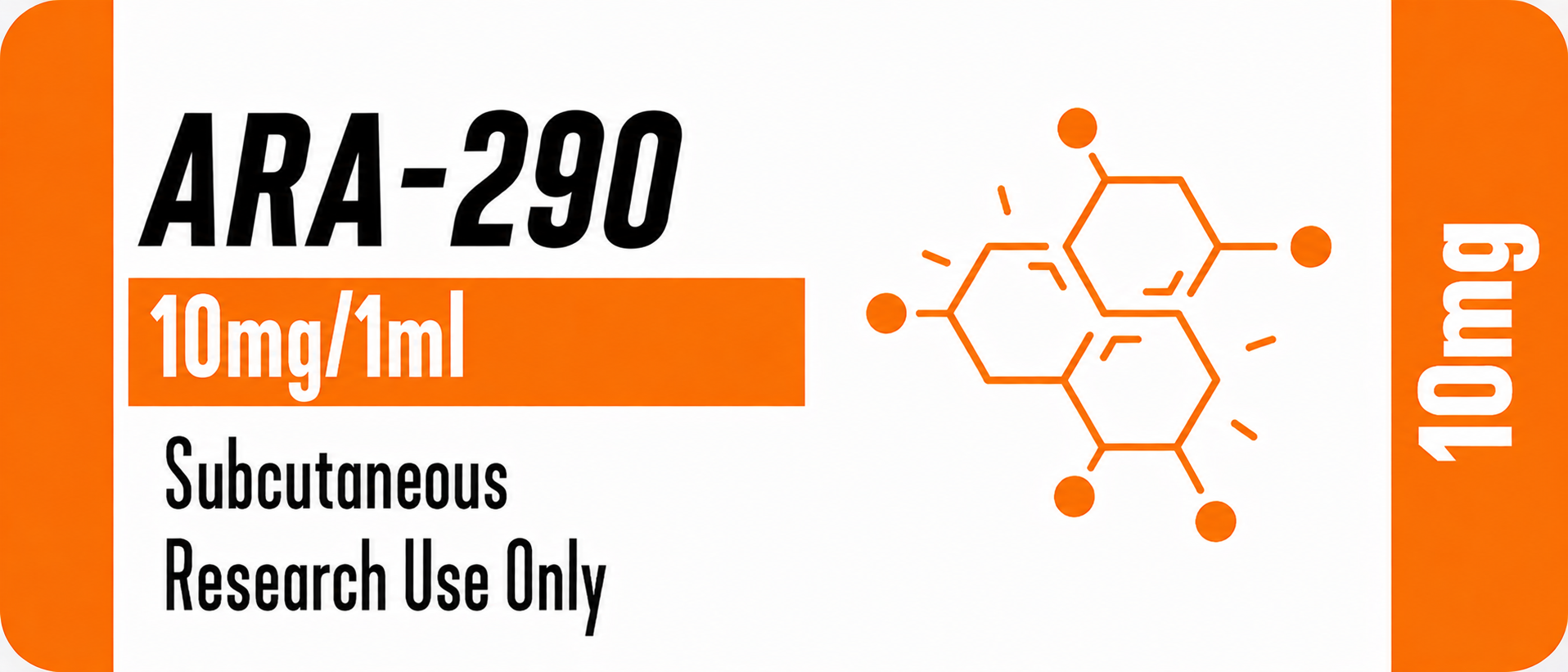
ARA-290, also known as Cibinetide, is a synthetic peptide derived from erythropoietin (EPO) that selectively activates the innate repair receptor (IRR) without stimulating red blood cell production. It has been studied for its potential to reduce inflammation, protect nerves, improve tissue repair, and alleviate chronic pain associated with neuropathy and inflammatory conditions. Unlike EPO, ARA-290 does not appear to increase hematocrit or carry the same cardiovascular concerns.
Common Research Dosing Protocol:
2-4 mg daily
Common protocol: 4 mg daily
Some protocols use 4 mg every other day
Typical cycle length: 4-12 weeks
Administration:
Subcutaneous injection
Often administered once daily
Timing is generally flexible
Storage:
Refrigerate at 36-46°F (2-8°C) after reconstitution
Protect from light
Do not freeze
Use sterile technique for all withdrawals
Notes:
ARA-290 is frequently researched for:
Peripheral neuropathy
Nerve regeneration and protection
Chronic inflammatory conditions
Small fiber neuropathy
Pain reduction
Tissue repair and recovery
Many researchers consider ARA-290 one of the more promising peptides for nerve-related conditions because it appears to target inflammation and tissue repair pathways rather than simply masking pain. It is often stacked with BPC-157, TB-500, or GHK-Cu in injury-recovery protocols, and with MOTS-c or SS-31 in broader health and longevity-focused programs.
A common recovery-focused stack might include:
ARA-290: 4 mg daily
BPC-157: 500 mcg twice daily
TB-500: 2.5 mg twice weekly
Users commonly report gradual improvements in discomfort, nerve symptoms, and recovery over several weeks, with nerve-related benefits often requiring longer treatment periods than soft-tissue healing protocols.
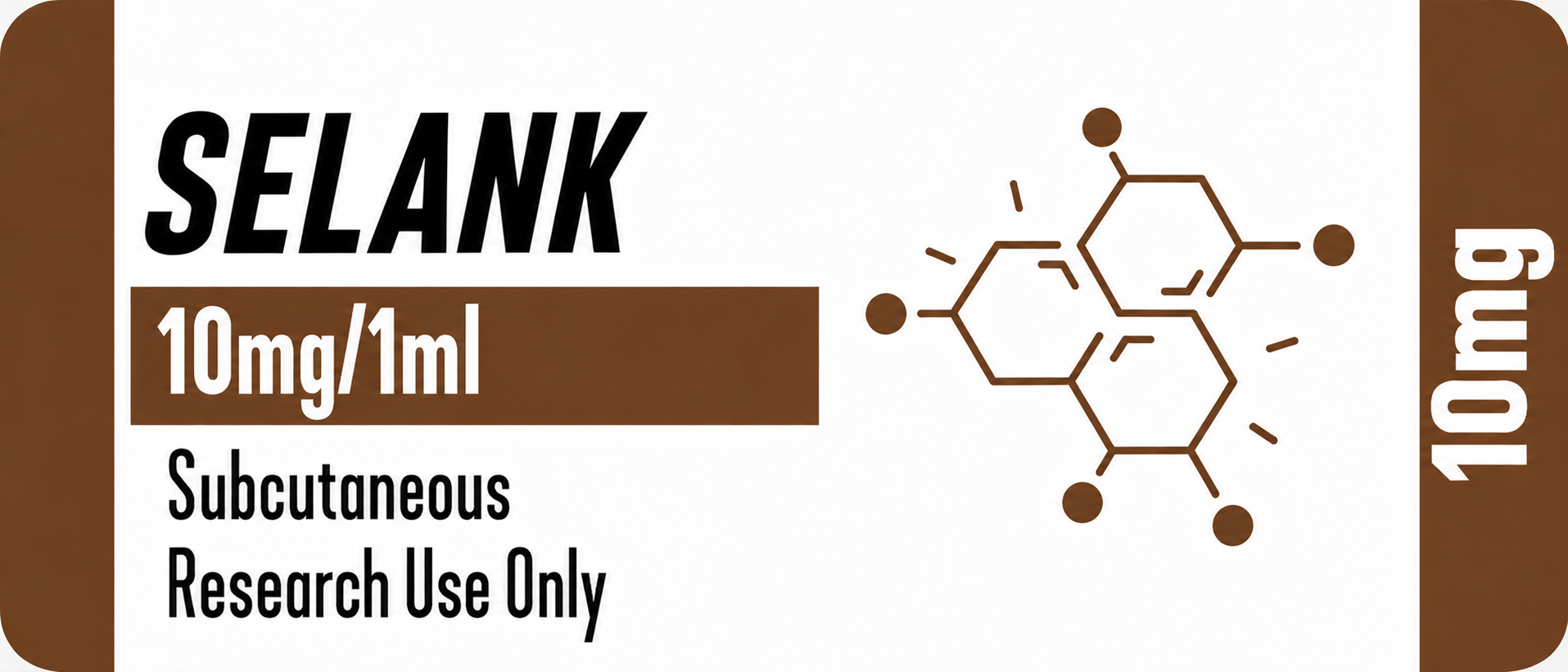
Selank is a synthetic peptide derived from the naturally occurring immune peptide tuftsin. It has been studied for its anxiolytic (anti-anxiety), cognitive-enhancing, and stress-reducing effects without the sedation commonly associated with traditional anti-anxiety medications. Research suggests Selank may influence GABA, serotonin, dopamine, and norepinephrine signaling, potentially improving mood, focus, memory, and resilience to stress.
Common Research Dosing Protocol:
250-500 mcg once or twice daily
Typical daily dose: 250-1,000 mcg
Common protocol: 300 mcg in the morning and 300 mcg in the afternoon
Typical cycle length: 2-8 weeks
Administration:
Intranasal administration is most common
Subcutaneous injection may also be used in research settings
Often administered in the morning or early afternoon to support focus and stress management
Storage:
Refrigerate at 36-46°F (2-8°C) after reconstitution
Protect from light
Do not freeze
Use sterile technique when handling
Notes:
Selank is often described as promoting a calm, focused mental state without causing drowsiness. Researchers frequently investigate it for anxiety, chronic stress, social anxiety, cognitive performance, and mood support. It is commonly paired with Semax, with Selank providing a calming effect while Semax contributes more pronounced cognitive and focus-enhancing properties. Many users report benefits within the first few days, though effects may continue to build over several weeks of consistent use.
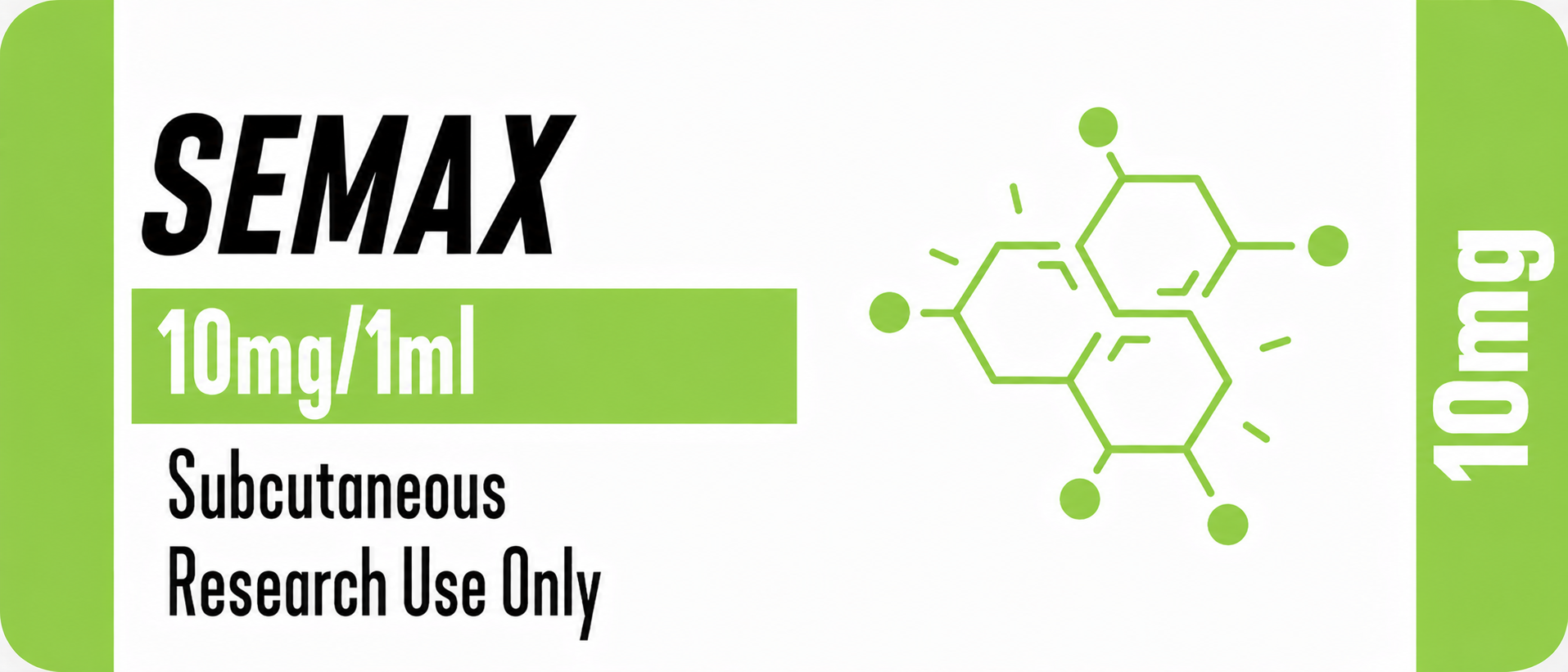
Semax is a synthetic neuropeptide originally developed in Russia and derived from a fragment of adrenocorticotropic hormone (ACTH). Unlike ACTH, Semax does not stimulate cortisol production. It is primarily studied for cognitive enhancement, neuroprotection, memory formation, focus, mental clarity, and recovery from neurological injury. Research suggests it may increase levels of brain-derived neurotrophic factor (BDNF) and support dopamine signaling, making it a popular nootropic peptide.
Common Research Dosing Protocol:
300-600 mcg once or twice daily
Typical daily dose: 300-1,200 mcg
Common protocol: 300 mcg in each nostril once or twice daily
Typical cycle length: 2-8 weeks
Administration:
Intranasal administration is most common
Usually administered in the morning and/or early afternoon
Avoid use close to bedtime as some users report increased alertness
Storage:
Refrigerate at 36-46°F (2-8°C) after reconstitution
Protect from light
Do not freeze
Use sterile handling procedures
Notes:
Semax is frequently researched for:
Memory and learning enhancement
Increased focus and concentration
Mental clarity
Neuroprotection
Recovery from cognitive fatigue
Stress resilience
It is often paired with Selank, with the combination viewed as complementary:
Semax: Focus, motivation, memory, cognition
Selank: Calmness, anxiety reduction, emotional stability
Common Cognitive Stack:
Semax: 300-600 mcg once or twice daily
Selank: 250-500 mcg once or twice daily
Many users describe Semax as producing enhanced mental sharpness and task focus without the stimulation, elevated heart rate, or crash commonly associated with traditional stimulants. Effects are often noticeable within hours to days, while benefits related to learning and neuroplasticity may develop over several weeks of consistent use.
Peptide care and research administration
Before handling any peptide vial, wash your hands thoroughly and clean a sanitized work surface. Inspect the vial to ensure the powder is intact and the seal is undamaged. Wipe the rubber stoppers of both the peptide vial and the diluent vial with 70% isopropyl alcohol and allow them to air dry completely. Using a new sterile syringe and needle, slowly draw the desired amount of sterile bacteriostatic water and inject it down the inside wall of the peptide vial rather than directly onto the powder. Gently swirl the vial until the peptide is fully dissolved, avoiding vigorous shaking which may damage delicate peptide structures. Once reconstituted, label the vial with the date and concentration, then store it refrigerated at 36-46°F (2-8°C), DO NOT FREEZE reconstituted peptides! Protect the vial from excessive light, heat, and contamination by using a new sterile needle and syringe for every withdrawal and cleaning the stopper with alcohol before each use. Properly stored and handled peptides generally maintain stability longer and reduce the risk of contamination, but users should always follow the specific storage recommendations provided by the manufacturer or supplier.
Important Research Considerations:
Peptide responses can vary significantly between individuals due to differences in body weight, metabolism, genetics, health status, receptor sensitivity, and concurrent medications or supplements. As a result, there is no single dose that is optimal for every person. When conducting research, it is generally advisable to begin at the lower end of the suggested dosing range and gradually increase the dose over time based on observed response and tolerability. This conservative approach allows for the identification of the minimum effective dose while reducing the likelihood of unwanted side effects and improving overall protocol adherence. Monitoring results carefully and making incremental adjustments is typically more effective than starting at higher doses.
Medical Disclaimer:
The information provided is intended for educational and research purposes only and is not medical advice. These compounds may not be approved for human use, and their safety and efficacy may not be fully established. Always consult a qualified healthcare professional before beginning any new medication, supplement, or research protocol. Use of any compound is at the individual's own risk.